We Build
Instruments
That Outlive
Cathedrals.
From collapsed Victorian reservoirs to new consoles commissioned for nave expansions — every pipe voiced by hand, every chest rebuilt to last another century.
180+
Instruments Restored
52
Years of Practice
14
Active Commissions
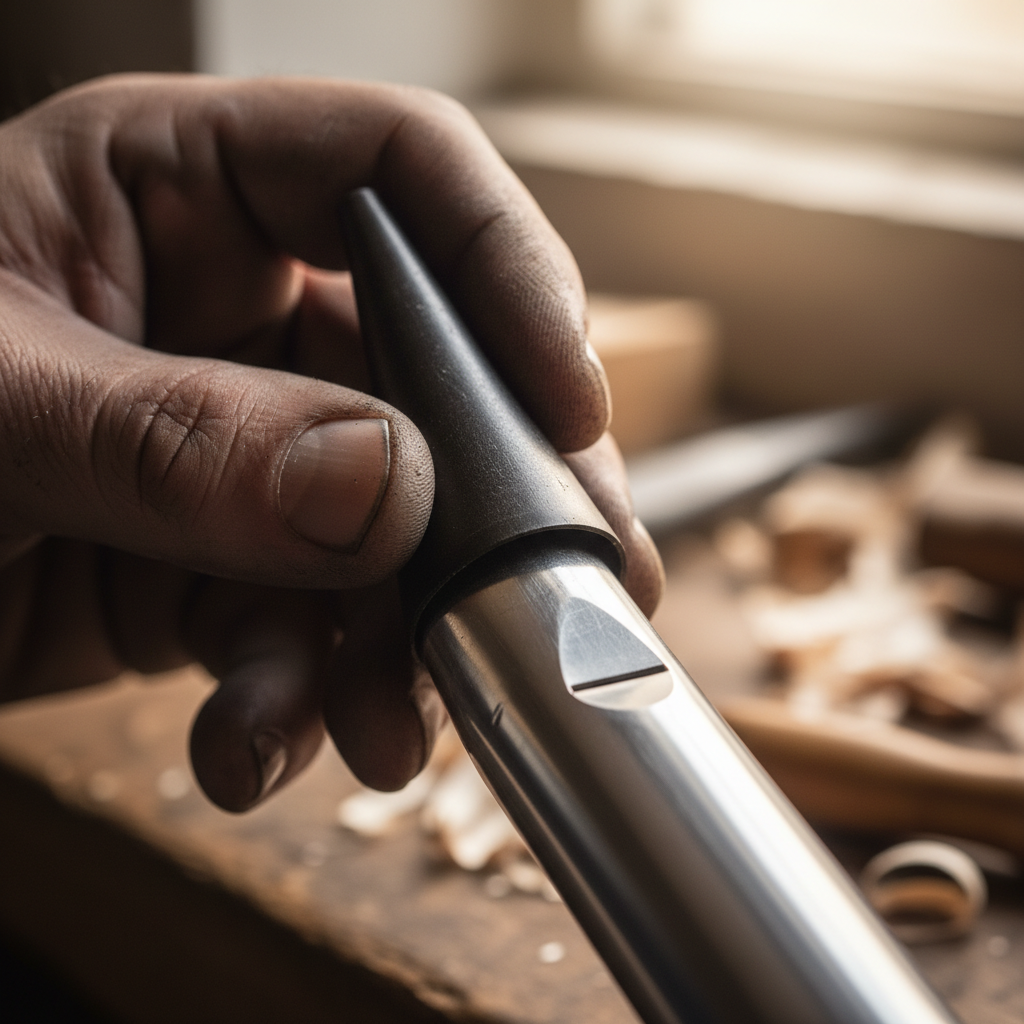
Three instruments.
Three problems solved.
Each case study is a working argument. By the time you reach the end, you will know enough to judge whether these hands can solve what you are hearing — or not hearing.
The Problem
The vestry committee noticed a steady decline over three winters: ciphers on the Swell, two dead stops on the Great, and a persistent groaning from the bellows room that the organist described as "the organ trying to clear its throat." Inspection revealed collapsed reservoirs — the original calfskin had perished along the glue joints — and a cracked wind trunk concealed behind the choir stalls since at least the 1950s.
The Diagnostic Process
We drew wind from the instrument completely before opening the chest boards. The slider tables showed warping consistent with 70 years of damp cycling; the pallets had developed a cant that no amount of regulation could correct. We rebuilt the reservoirs using period-appropriate materials: hide glue, new calfskin on the feeders, and hand-stitched gussets. The wind trunk was remade in matched-grain oak, jointed with draw-bore pegs rather than screws.
The Resolution
The instrument drew wind again on a Friday morning in November. By Sunday, the organist played the service without a single cipher. The organ now holds pitch across a full winter-to-summer seasonal range — something it had not done since the 1960s.
Southwark, London
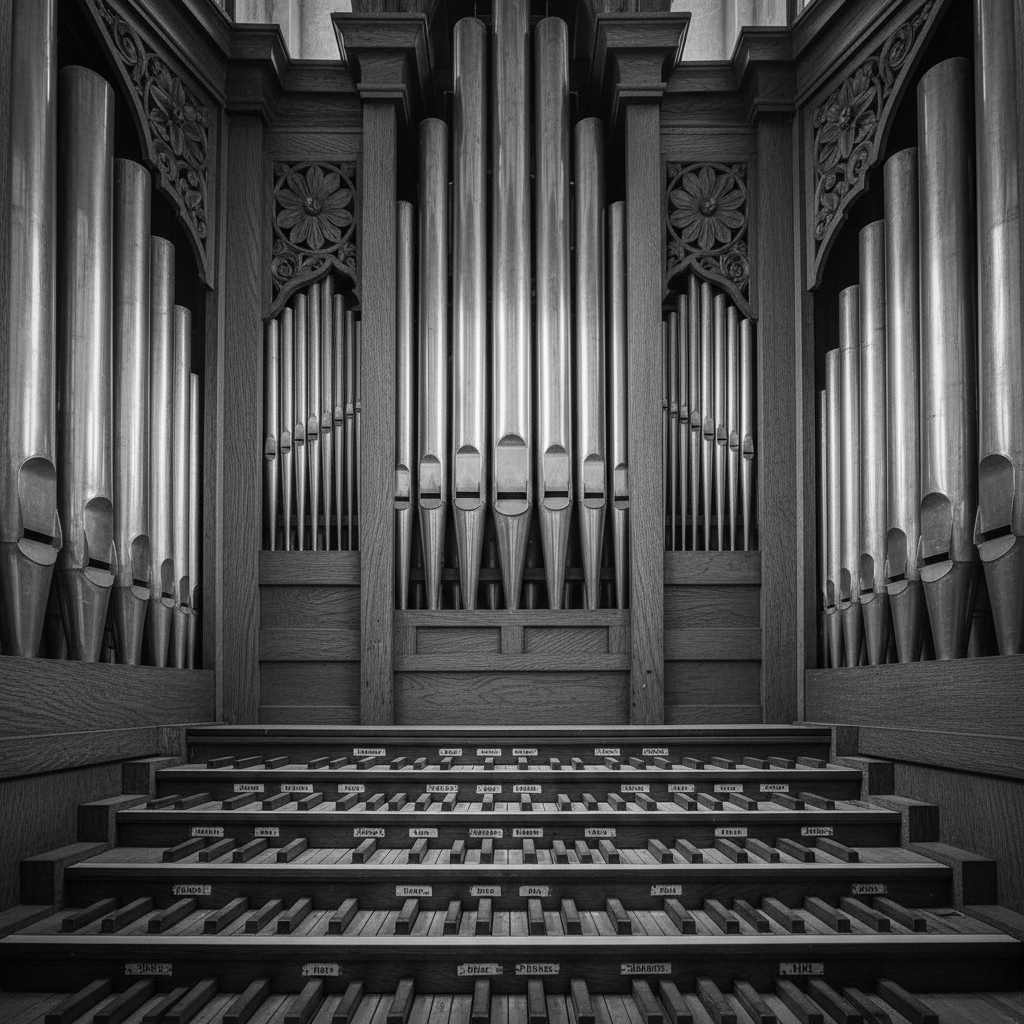
Restoration · Southwark, London · 2023
What we know.
Why it matters to you.
We write plainly about craft because a client who understands the work is a client who can steward their instrument between our visits.
Slider vs. Spring Chest
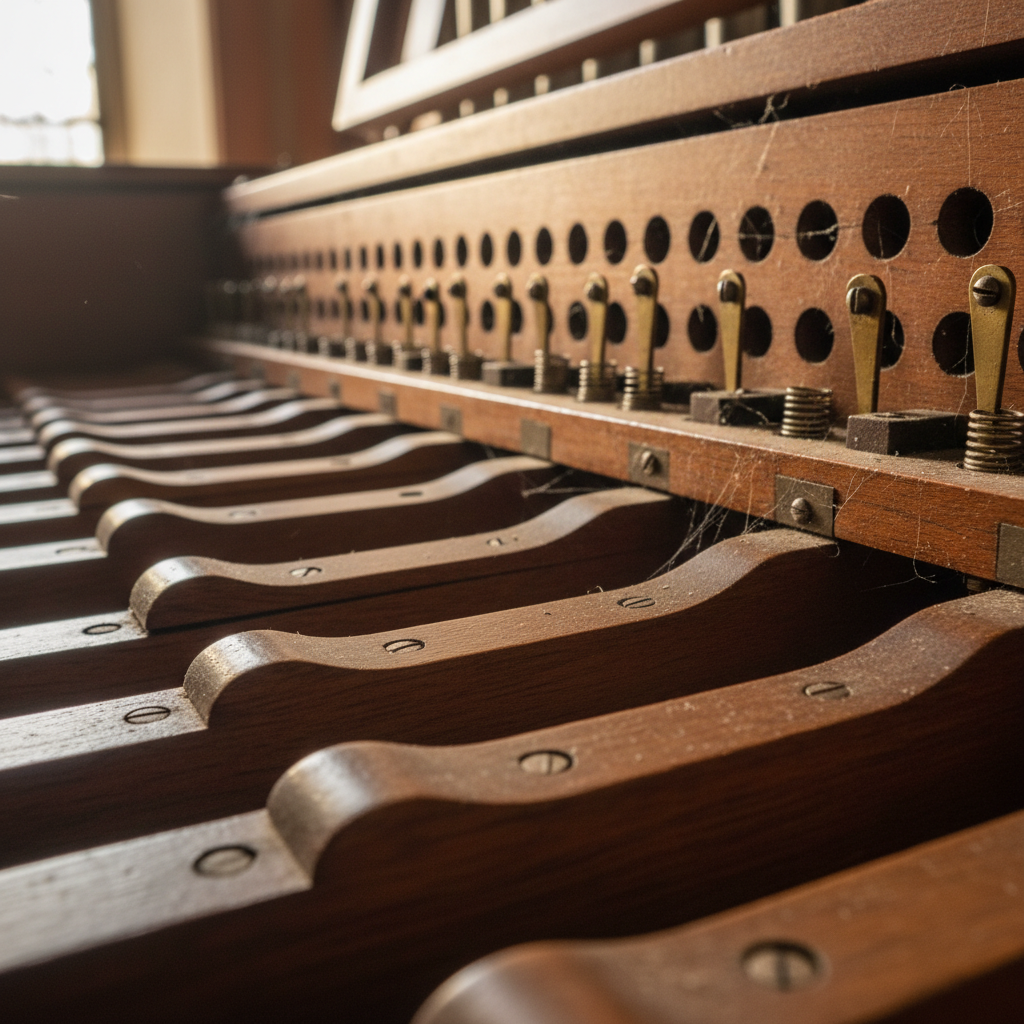
A slider chest — the older design — uses a grooved table through which a perforated wooden slider moves. When a key is depressed, the hole in the slider aligns with the groove; the pipe speaks. The action is mechanically direct, repairable with hand tools, and honest about its age.
A spring chest, by contrast, uses individual pallet springs beneath each pipe hole. More pipes can share a single chest, but a single failed spring silences a note permanently until the chest is pulled and dismantled. Victorian builders favoured the slider for trackers precisely because it could be regulated without removing the instrument from the building.
Spotted Metal vs. Plain Tin
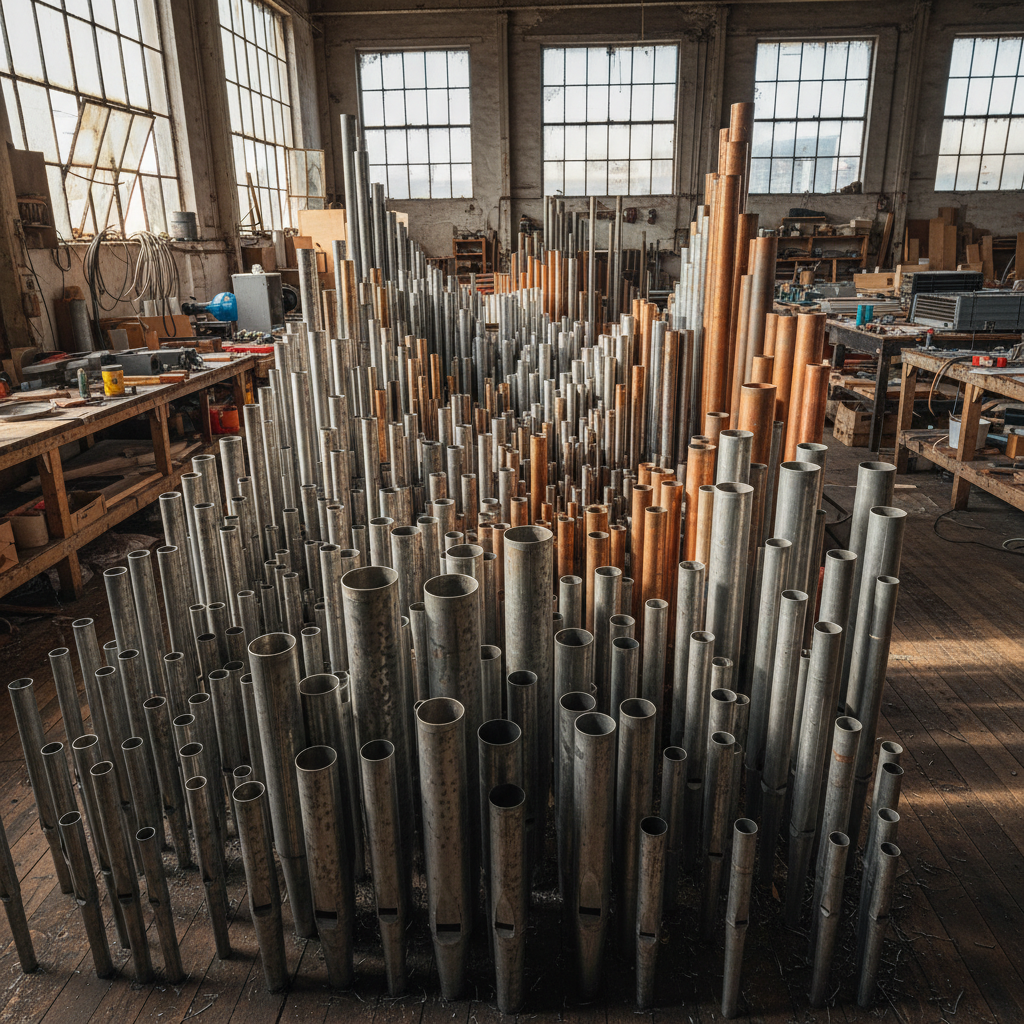
Pipe metal is an alloy of tin and lead. The ratio determines everything: a high-tin mixture (spotted metal, so called for the crystalline pattern on its surface) is harder, brighter in tone, and holds its shape over centuries. Plain tin — softer, more workable — is preferred for large open flues where the mouth must be precisely undercut without cracking.
The choice of metal is not merely acoustic. A rank of spotted-metal principals in a cold stone nave will behave differently in January than in July. The voicer must account for seasonal movement: pipes that stand perfectly in tune at 8°C will flatten by a quarter-tone at 18°C. Spotted metal is less forgiving of this cycle; plain tin drifts more gracefully.
What Voicing Actually Is
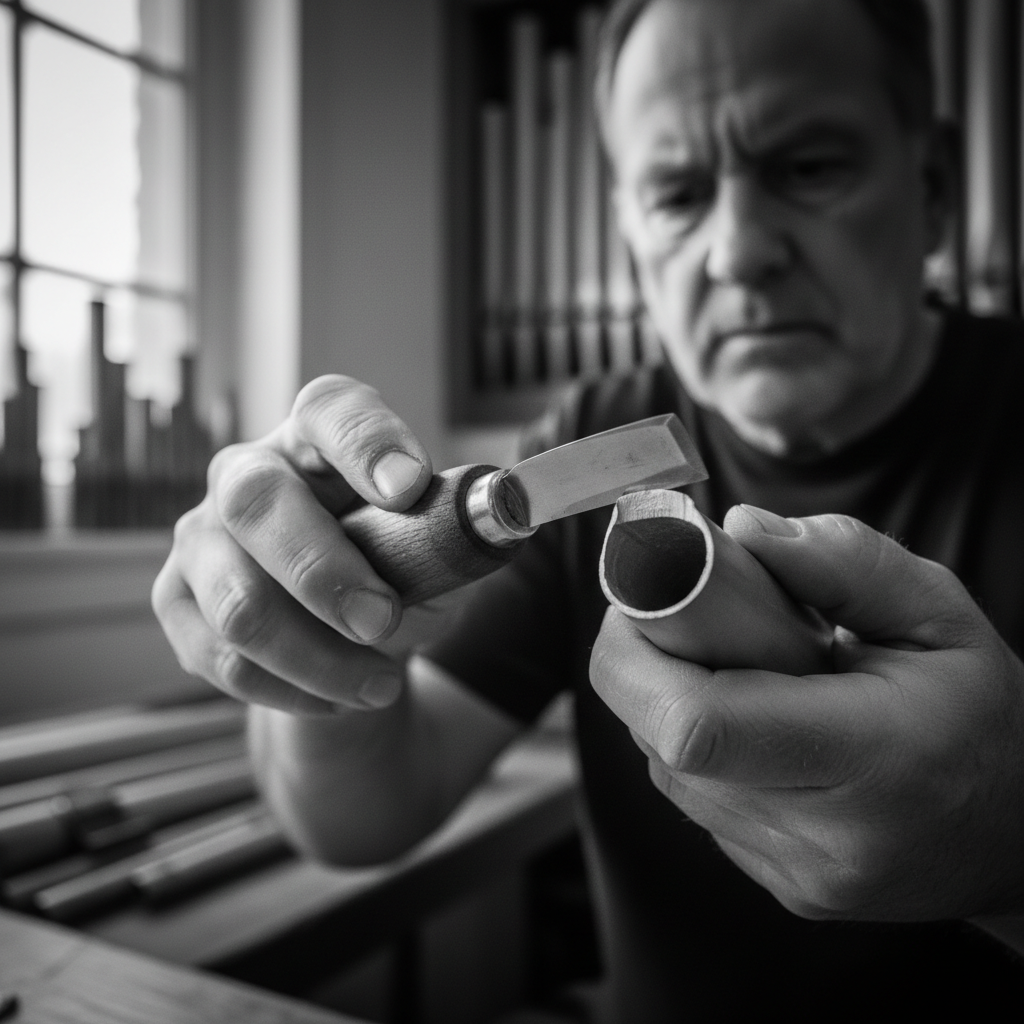
Voicing is the act of adjusting a pipe's speech — its attack, sustain, and blend — until it sits inside an ensemble without announcing itself. A well-voiced organ is one you hear as a single instrument, not as four hundred individual pipes taking turns.
The tools are simple: a voicing knife, a languid needle, a tuning cone. The knowledge is not. A flue pipe speaks when air divides at the upper lip; moving the languid by half a millimetre changes the cut-up, which changes the wind pressure at the mouth, which changes the harmonic content. There is no formula. You listen until the room tells you when to stop.
The Conservation
Guide for Wardens
Forty pages on what to look for, what to listen for, and when to call a builder. Written for church wardens, not engineers.
- —Identifying the seven signs of wind system failure
- —Understanding your instrument's original builder
- —What a quinquennial inspection should include
- —How to brief a restorer without being overcharged
Book a Site Assessment.
A site assessment takes half a day. We listen to the instrument, open the chest, and give you a written report with options — not obligations. There is no charge for the initial assessment on instruments within 90 miles of London.
Preferred Visit Week
What a Site Assessment Involves
Listening
We play the instrument — or ask the organist to — and note every anomaly in the speech.
Opening
We remove chest boards, inspect pallets, and check wind pressure at the feeder.
Reporting
A written report, delivered within five working days, with options ranked by urgency and cost.